Introduction
In the world of healthcare, airway monitoring and ventilation stand as foundations for guaranteeing beneficial person results. Whether in emergency circumstances or routine medical treatments, the capability to keep a clear air passage and give ample air flow is vital. This short article looks into the complexities of airway management and ventilation, discovering various approaches, training courses readily available, and their extensive impact on person care. With subjects varying from fundamental ventilator courses to specialized training for registered nurses, we'll reveal the relevance of skilled specialists in this important area of medicine.


Airway Monitoring and Air flow: The Secret to Efficient Person Outcomes
Airway management refers to the techniques made use of to make certain that a client's air passage continues to be open and unhampered. Appropriate management is vital for effective ventilation-- whereby oxygen is supplied to the lungs while co2 is removed. This dynamic duo plays a critical duty in individual survival, specifically in critical treatment settings.
Effective air passage administration involves several actions:
Assessment: Evaluating the person's air passage status. Preparation: Gathering essential equipment. Intervention: Carrying out strategies like intubation or utilizing accessory devices. Monitoring: Continuously checking for proper ventilation.Without an effectively taken care of air passage, even one of the most advanced clinical interventions can fall short. Therefore, grasping respiratory tract administration and ventilation is paramount for health care providers.
Understanding Ventilation Support
Ventilator support is a lifesaving intervention used when patients can not take a breath separately or require assistance because of numerous clinical conditions such as respiratory system failing or extreme pneumonia.
What Is Ventilator Support?
Ventilator support entails mechanically assisting or replacing spontaneous breathing with devices designed to deliver regulated breaths at predefined pressures and volumes.
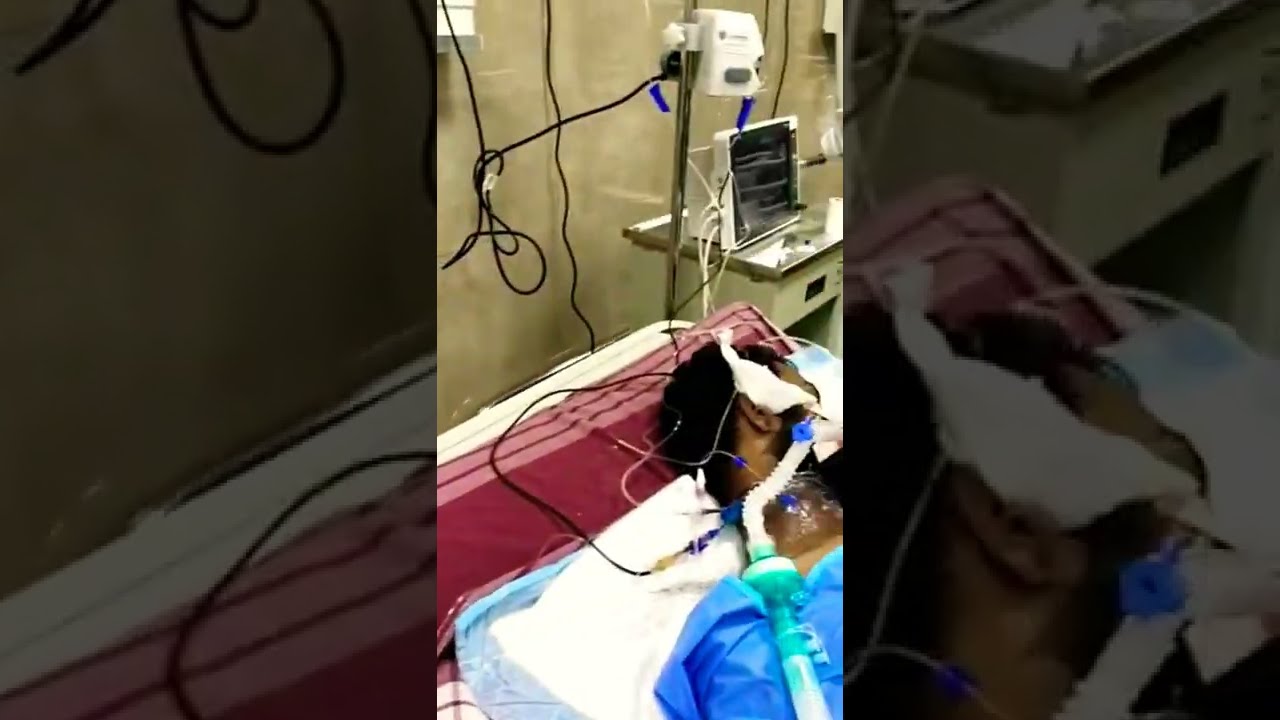
Types of Ventilators
- Positive Stress Ventilators: These press air into the lungs. Negative Pressure Ventilators: These produce a vacuum cleaner around the breast wall surface, facilitating inhalation.
The Function of Ventilator Training
Given its intricacies, understanding exactly how to operate ventilators properly requires detailed training:
- Basic Ventilator Course: Perfect for beginners, focusing on fundamental concepts. Ventilation Training Courses: More advanced programs that cover thorough understanding concerning different kinds of ventilators. Ventilator Training for Nurses: Tailored training courses dealing with particular nursing responsibilities concerning ventilator use.
Essential Skills Gotten Via Training
Practitioners get important abilities such as setting appropriate tidal volumes, readjusting pressure support degrees, and keeping track of client actions throughout mechanical ventilation.
Advanced Methods in Air passage Management
Intubation Techniques
Intubation is often required when individuals are incapable to keep their own respiratory tracts as a result of sedation or acute ailment.
Rapid Sequence Intubation (RSI)
This technique incorporates sedative representatives with paralytic medications to help with quick intubation with marginal danger of aspiration.
Supraglottic Respiratory tract Tools (SGA)
These tools are flexible devices that can be used when intubation isn't immediately feasible or needed:
- Examples include: Laryngeal Mask Airways (LMAs) and Combitubes.
Tracheostomy Management
When prolonged mechanical ventilation is called for, tracheostomy might be indicated:
Tracheostomy and Ventilator Training
Healthcare experts have to comprehend both tracheostomy treatment and how it integrates with ventilatory assistance systems.
Clinical Applications of Airway Administration Techniques
Emergency Situations
In emergency situations like heart attack or severe breathing distress, quick air passage assessment can conserve lives:
Assessing Respiratory tract Patency: Checking if the respiratory tract is clear. Implementing Fundamental Life Assistance (BLS): Guaranteeing ample flow while managing airways.Postoperative Care
Patients recovering from anesthetic often call for vigilant surveillance for respiratory tract patency because of possible problems emerging from sedation effects.
The Importance of Continuous Surveillance in Air Passage Management
Monitoring parameters such as oxygen saturation degrees (SpO2) and end-tidal carbon dioxide (ETCO2) are vital elements in taking care of a person's condition efficiently:
|Parameter|Regular Array|Implication|| -----------------------|---------------------|------------------------------|| SpO2|95% - 100%|Appropriate oxygenation|| ETCO2|35 - 45 mmHg|Ample air flow|
Regular tracking helps discover very early signs of breathing failure or insufficient air flow prior to they escalate into lethal situations.
FAQs Concerning Air passage Administration and Ventilation
1. What fundamental skills are needed for reliable air passage management?
Basic abilities include assessing respiratory tract patency, doing bag-mask air flow, identifying indications of obstruction, and making use of complement tools like oropharyngeal airways.
2. How does one pick in between various types of ventilators?
The selection depends on factors such as patient condition intensity, called for settings of ventilation (invasive vs non-invasive), and clinician knowledge with certain ventilator models.
3. What training choices are available for medical care professionals?
Healthcare carriers have accessibility to numerous training programs including standard ventilator courses, advanced scientific workshops focused on long term mechanical ventilation methods, and customized programs like NDIS ventilation training courses customized for specific needs based on particular populations.
4. Can anyone do intubation?
No; intubation requires specialized training and should only be performed by certified healthcare specialists with appropriate skills within their scope of practice.
5. What are common complications associated with mechanical ventilation?
Complications may consist of barotrauma (lung injury as a result of too much stress), ventilator-associated pneumonia (VAP), pneumothorax (air leakages into pleural area), to name a few online airway and ventilation training calling for vigilant monitoring during mechanical support.
6. Why is continual education and learning crucial in this field?
Continuous education ensures that doctor remain upgraded on ideal methods regarding arising technologies in mechanical ventilation methods along with advancing evidence-based standards improving patient safety and security end results during interventions requiring these intricate procedures.
Conclusion
In summary, understanding airway management and ventilation works as a vital expertise within modern health care method that considerably impacts patient end results across diverse settings-- from emergency situation departments to operating areas. As we browse this complex landscape filled with evolving technologies and methods-- including specialized programs such as the NDIS ventilation training program-- it comes to be increasingly important for professionals in any way levels to enhance their knowledge base continuously while honing technological skills through structured academic opportunities available today!
This large exploration highlights exactly how crucial it is not just for clinicians however also best practices in ventilator pressure support allied wellness personnel entailed straight or indirectly within intensive care units (ICUs) or severe care atmospheres-- where prompt treatments lead straight towards positive outcomes-- for each single client handed over under our cumulative care!